
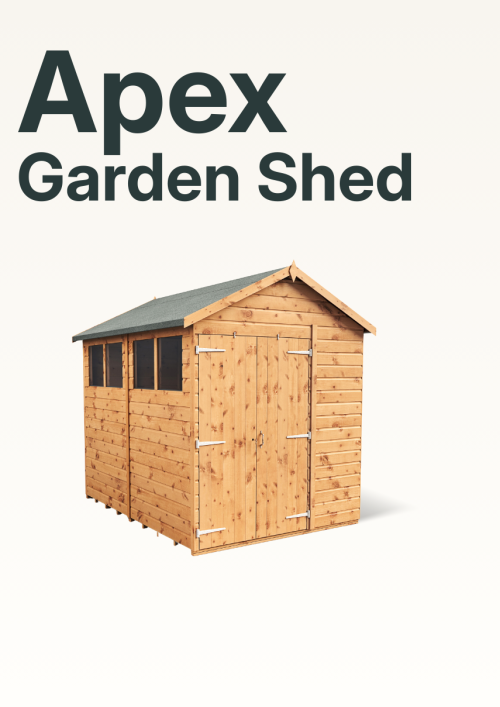
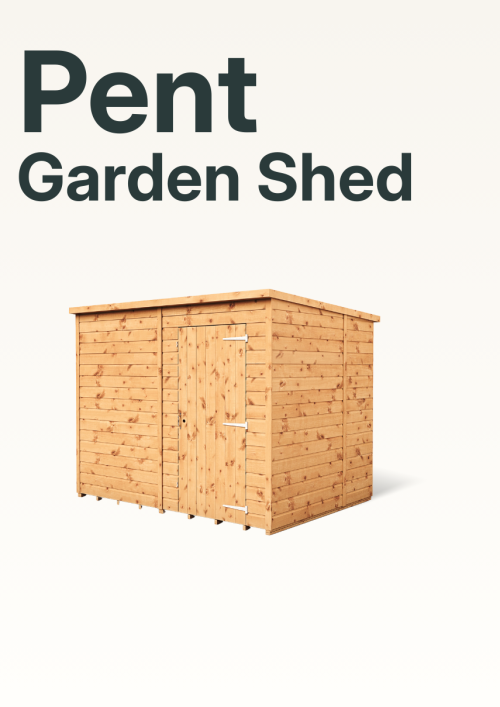
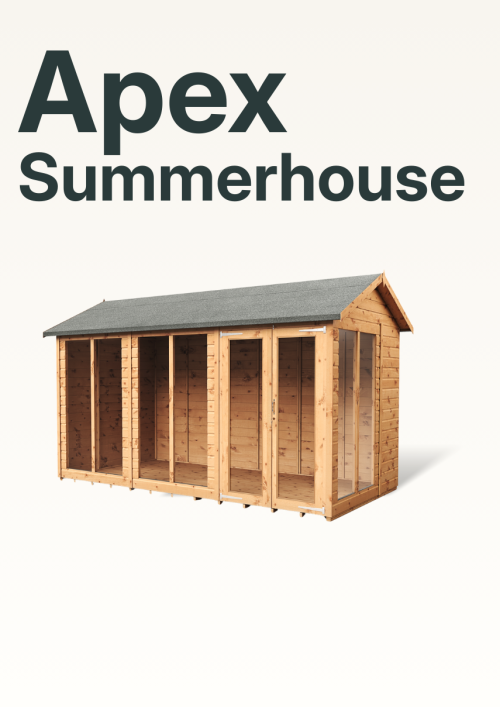
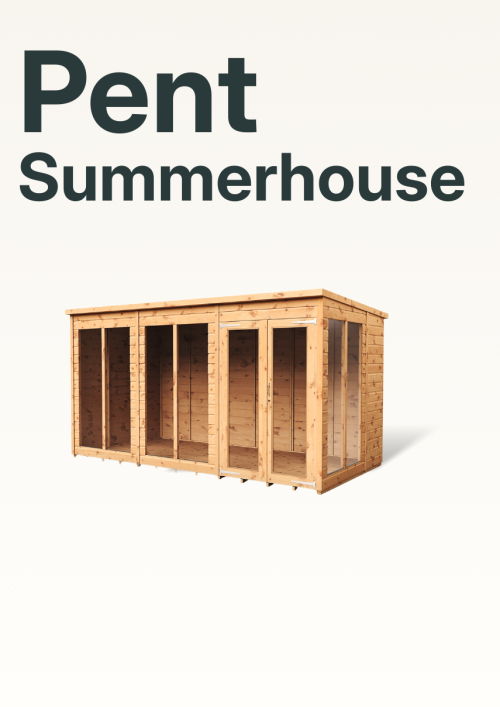

What Causes Damp in a Garden Shed and How to Prevent It
What Causes Damp in a Garden Shed?
A garden shed is a valuable investment, whether you use it for storage, DIY projects, or as a garden workspace. However, one of the most common problems shed owners face is damp. Left untreated, damp can cause lasting damage to both the structure of your shed and the items stored inside.
As the name suggests, damp is caused by moisture. It’s most common during colder, wetter seasons such as autumn, winter, and early spring, when moisture levels in the air are higher and sheds are used less frequently.
Timber sheds are particularly vulnerable. Wood naturally absorbs moisture, and prolonged exposure to damp conditions can lead to:
- Premature rot
- Mould and mildew growth
- Warping, sagging, or misshapen panels
- A weakened shed structure over time
These issues are often made worse by a combination of wet weather and poor airflow. When moisture becomes trapped inside a shed with nowhere to escape, it condenses on walls, floors, and tools creating the perfect environment for damp and mould to thrive.
How Can I Prevent Damp in My Garden Shed?
The good news is that damp is largely preventable with the right setup and a bit of ongoing care.
1. Improve Ventilation
Sheds are often left closed for long periods, especially during colder months. Without fresh air circulating, moisture builds up and settles on surfaces.
To improve airflow, you can:
- Open windows or doors on dry days
- Use a small fan occasionally to move air around
- Drill discreet ventilation holes near the top of the walls (covering them with mesh to keep pests out)
Even a small amount of consistent airflow can make a big difference.
2. Prevent Rising Damp from the Ground
Rising damp is a common issue in timber sheds. This happens when moisture from the ground is absorbed through the floor bearers and drawn up into the shed floor.
To reduce the risk:
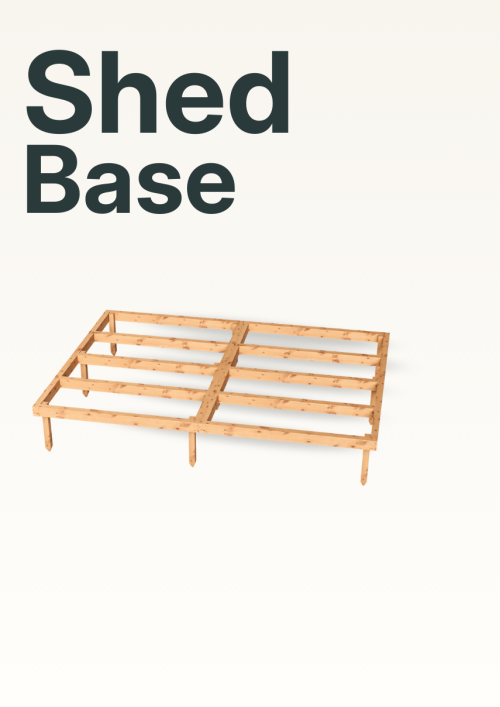
- Install a solid, level base before building your shed
- Use gravel bases to allow water to drain freely and prevent pooling
- Add a damp-proof barrier between the shed floor and the ground
- Ensure concrete slabs or paving are level so rainwater runs away from the shed, not towards it
A well-prepared base is one of the most effective long-term defences against damp.
3. Look After What You Store Inside
Moisture doesn’t just damage the shed itself, it can also affect tools, furniture, and equipment.
Simple steps include:
- Keeping tools clean, dry, and lightly oiled
- Avoiding storing wet items inside the shed
- Using moisture absorbers or silica gel packs
- Raising items off the floor where possible
Good tool care helps prevent rust and mould while keeping your shed cleaner and drier overall.
How Do I Remove Mould from My Garden Shed?
If you spot mould, it’s important to act quickly. Left untreated, mould can become embedded in timber and cause permanent damage.
Step 1: Protect Yourself
Mould spores can be harmful if inhaled. Wear:
- A mask (such as a surgical or ski mask)
- Gloves
- Old clothing or protective wear
Step 2: Protect Surrounding Plants
If you’re cleaning the outside of your shed, cleaning solutions can harm nearby plants. Before you start:
- Hose down surrounding vegetation to dilute any chemical runoff
Step 3: Clean the Affected Areas
There are several effective cleaning options:
- A homemade solution of 1 cup of bleach to 1 gallon of water
- A dedicated mould and mildew cleaner
Apply the solution using:
- A handheld spray bottle or garden sprayer
Scrub the area gently with a sponge or soft brush, then rinse thoroughly with clean water. Allow the shed to dry fully and improve ventilation to prevent mould from returning.
Keep Your Shed Dry All Year Round
Damp doesn’t have to be an ongoing problem. With good airflow, a solid base, and regular maintenance, your garden shed can stay dry, strong, and fit for purpose for years to come.
At Empire Sheds, we design our sheds with durability in mind helping you protect your investment and enjoy your outdoor space whatever the weather.
If you’d like advice on shed bases, upgrades, or choosing the right shed for your garden, our team is always happy to help so please get in touch.