
Do You Need Planning Permission for Your Shed?
Planning Permission Made Simple for Garden Sheds
So, you’re thinking about adding a garden shed, great choice! Whether it’s for storing tools, potting plants, or creating a cosy little retreat, a shed can be a brilliant addition to your outdoor space. But before you start browsing styles and sizes, there’s one question that often pops up: Do I need planning permission?
Let’s break it down together, in plain English.
Do You Actually Need Planning Permission?
Here’s the good news: not always. In many cases, garden sheds fall under something called Permitted Development Rights, basically, a set of rules that let you build without needing formal approval. But (and there’s always a but), your shed needs to tick a few boxes.
When You Don’t Need Planning Permission
If your shed is:
- If your shed is within 2 metres of any boundary, its maximum overall height must not exceed 2.5 metres
- Your shed must not cover more than 50% of the land around the original house, once all other outbuildings and extensions are taken into account
- Tucked away in your back garden, not sticking out in front of your house
- Used for personal stuff, not running a business
- If you live in a conservation area, World Heritage Site, National Park or AONB, outbuildings to the side of the house are not permitted development, and any outbuilding within the curtilage of a listed building will always require planning permission
…then you’re probably in the clear!
When You Do Need Planning Permission
There are a few situations where you’ll need to go through the official channels:
- Bigger sheds that go beyond the size or height limits
- Listed buildings or conservation areas, where extra care is needed
- You’ll need planning permission if your property is on designated land such as a National Park, the Broads, an Area of Outstanding Natural Beauty, a conservation area or a World Heritage Site
- Planning permission is required if the shed’s use amounts to running a business. For example, customer visits, staff, or storing commercial stock. But light home‑office use that is incidental to the main home typically remains permitted
- Local council rules, some councils have stricter guidelines, so it’s always worth checking
How to Apply (It’s Easier Than You Think)
- Check your local council’s website for planning guidance
- Gather your documents, a site plan, shed drawings, photos, and property details
- Submit your application online (fees are usually around £200-£300)
- Wait for approval, this can take 8 to 12 weeks, and your neighbours might be consulted
- Follow any conditions once you get the green light
Costs to Keep in Mind
Aside from the shed itself, budget for:
- Planning application fees
- Any architectural drawings (if needed)
- Time for paperwork and approvals
A Few Things That Can Affect Your Application
- Previous changes to your property might limit what you can add
- Council policies vary, so always check locally
- Neighbour feedback, a friendly chat can go a long way in avoiding objections
Handy Alternatives
If you’d rather skip the paperwork altogether, here are a few clever options:
- Shed kits or modular designs, often easier to fit within the rules
- Smaller, temporary structures like greenhouses or tool stores
- Repurposing existing buildings, an old garage or outbuilding might do the trick
Busting the Myths
- ❌ “All sheds need planning permission” – Nope, most don’t!
- ❌ “I can build anywhere in my garden” – Not quite, location matters.
- ❌ “Planning permission is a nightmare” – It’s actually pretty straightforward with the right info.
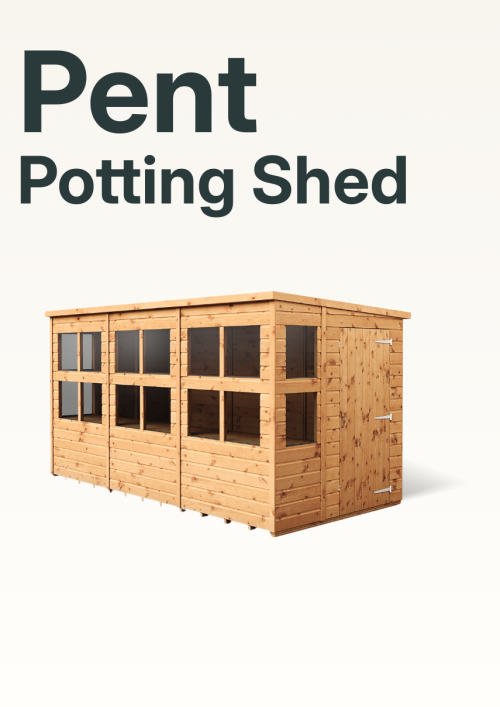
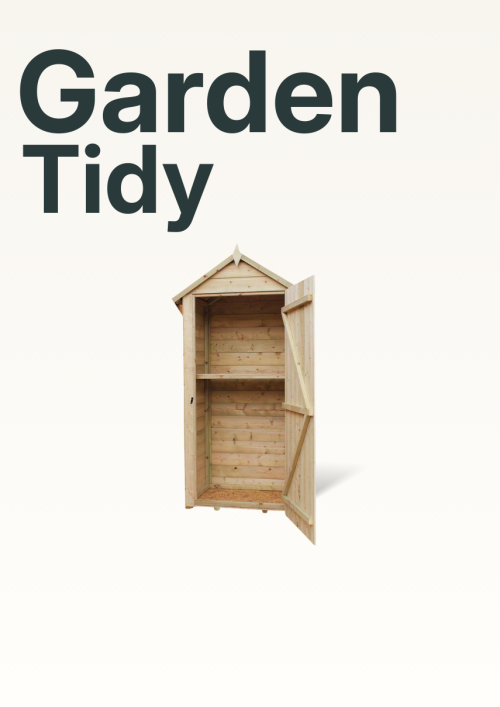
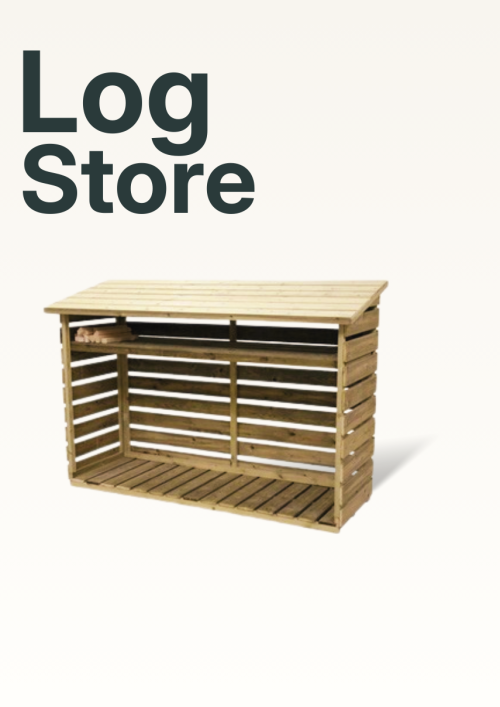
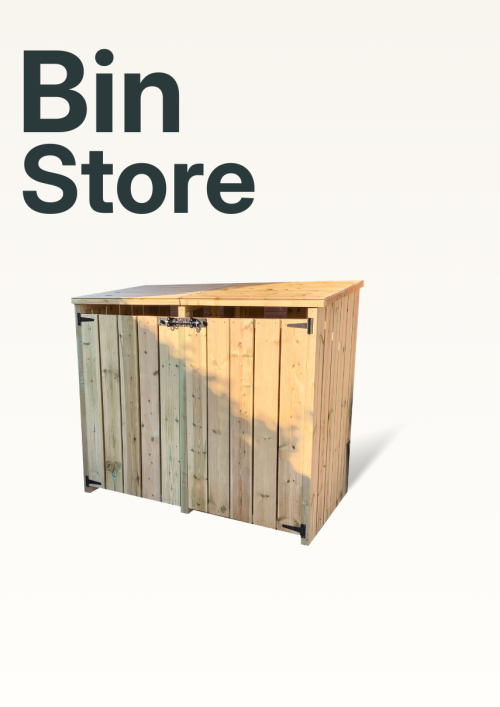
Explore Our Shed Range
We’ve got a wide selection of sheds that meet Permitted Development criteria, so you can enjoy peace of mind, quality craftsmanship, and a shed that fits your space and your lifestyle.
Disclaimer: Please consult your local planning authority to confirm whether planning permission is required in your area.
Frequently Asked Questions
Do I need planning permission if my shed is under 2.5m high?
Usually not, as long as it meets other criteria like location and usage. It’s always best to double-check with your local council just to be sure.
Can I use my shed as a home office or workshop?
Light home‑office or hobby use is usually fine under Permitted Development, but running a business with customers, staff or stock typically requires planning permission.
What happens if I build a shed without planning permission?
You could face fines or be asked to remove the shed. It’s always safer to check the rules before you build.
How do I know if I’m in a conservation area or AONB?
You can find out by contacting your local council or checking the UK Government’s planning website. These areas have stricter rules, so it’s good to know where you stand.
Can my neighbours object to my shed?
Yes, especially if it affects their view, sunlight, or privacy. Having a friendly chat with them before building can help avoid any issues.
What is the maximum size of the shed without planning permission?
There’s no fixed square‑metre limit in planning rules, instead, the shed must not take up more than 50% of your garden and must meet the height limits set out in Permitted Development.
Can my neighbour build a shed against my fence?
Yes, as long as it meets local height and location restrictions. If you’re concerned, it’s worth discussing it with them or checking with the council.
What can I build in my garden without planning permission?
You can usually build sheds, greenhouses and other outbuildings without planning permission provided they meet the height limits, remain behind the principal elevation, and do not cover more than 50% of the garden.