

Concrete Or Slabs? Choosing the Right Shed Foundations
Installing a Shed? Read this First!
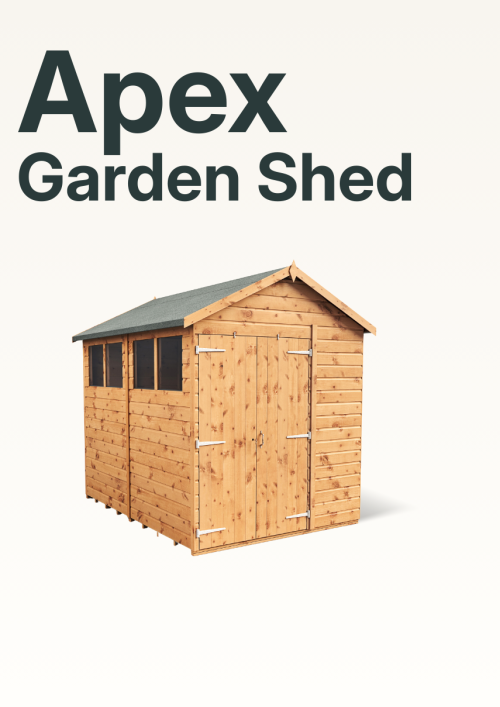
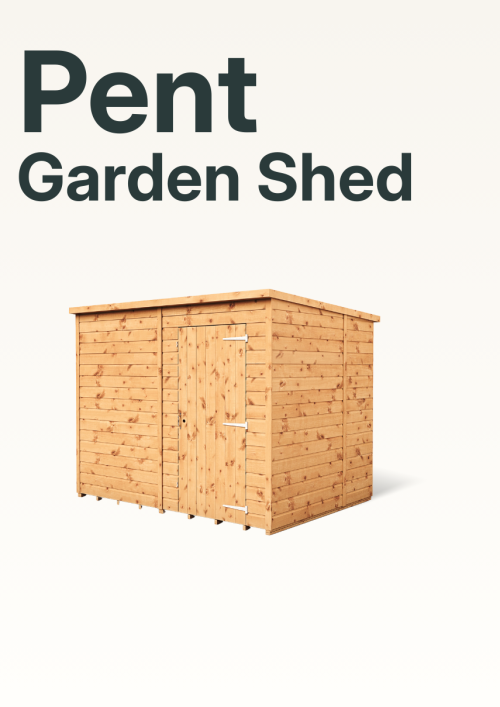
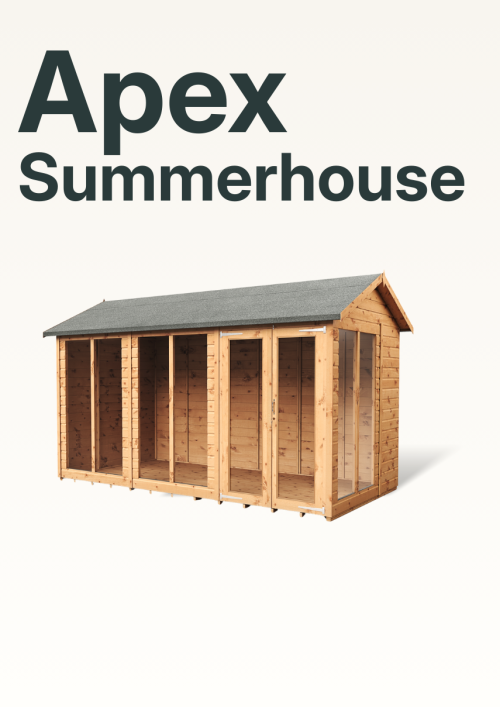
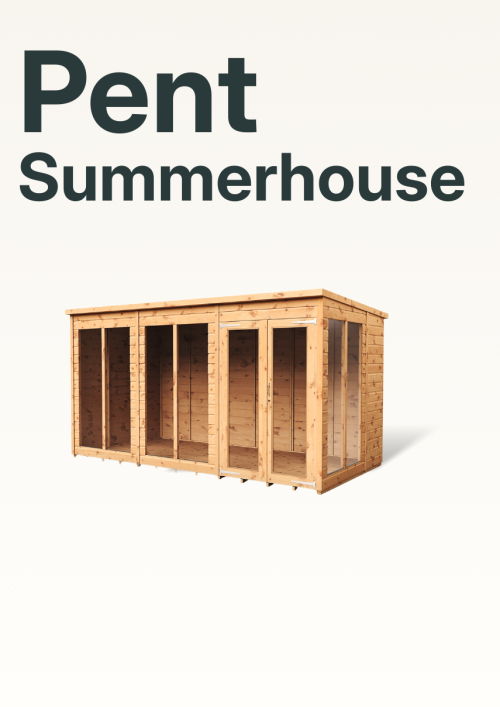
A solid shed starts with a solid base. Whether you’re installing a garden shed, workshop, or storage unit, the foundation underneath it will determine how stable, level, and long-lasting it is. Two of the most reliable options are a concrete base or a paving slab base. Both are popular choices, and the right one for you depends on your space, budget, and how permanent you’d like the structure to be. If you’re still deciding which route to take, we recommend reading our guide: How to Build a Solid Shed Base: A Quick Guide before getting started.
Below, we’ll walk you through both methods in a simple, practical way.
How to Build a Concrete Shed Base
Concrete bases are ideal if you want something permanent, durable, and able to support heavier sheds.
1. Preparation and layout
- Start by choosing a well-drained, level area in your garden, ideally at least a metre away from boundaries or fences.
- Mark out the area using pegs and string. Your base should be the same size as your shed, or slightly larger, around 100-150mm extra on each side works well.
- Next, excavate the area to a depth of around 150-200mm (6-8 inches). Remove all grass, roots, and debris until you reach firm soil.
2. Create the sub-base
- Add a 75-100mm layer of MOT Type 1 hardcore (crushed stone). This forms the foundation beneath your concrete.
- Compact it thoroughly using a vibrating plate compactor (wacker plate) or hand tamper until it’s solid and level.
- Then spread a thin layer of sand over the top. This fills gaps and protects the membrane you’ll add next.
3. Build the frame and membrane
- Construct a timber frame (shuttering) using treated boards around the edge of your base. The top of this frame should match the final height of your concrete.
- To make sure it’s square, measure the diagonals, if they’re equal, your frame is perfectly aligned.
- Lay a heavy-duty damp-proof membrane (minimum 1000-gauge) inside the frame, turning the edges up slightly to form a tray.
4. Mix and pour the concrete
- Use a standard mix of 1 part cement to 5 parts ballast. Add water gradually until it reaches a thick, porridge-like consistency.
- Pour the concrete into the frame, starting in one corner and spreading evenly with a shovel or rake. Slightly overfill the frame.
- With a straight timber board and a second person, level the surface by moving the board in a gentle sawing motion across the top. This removes air pockets and smooths the finish.
5. Curing and finishing
- Cover the concrete with plastic sheeting to prevent it drying too quickly, which can cause cracks.
- You can usually walk on it after 48 hours.
- Remove the timber frame after around 7 days.
- Wait 28 days before installing your shed to allow the concrete to reach full strength.
How to Build a Paving Slab Shed Base
A slab base is a great alternative if you want something sturdy but less permanent than concrete. It’s also often quicker and more budget-friendly.
What you’ll need:
- Pegs and string
- Building sand and cement
- Paving slabs
- Spirit level
- Rubber mallet
- Set square
- Wooden pegs
- Tape measure
- Shovel or edging tool
- Wacker plate or earth rammer
- Jointing compound (e.g. JointIT)
- Brush, trowel, bucket, wire brush
- Tarpaulin (for wet weather)
1. Clear the area
- Remove all vegetation, roots, rocks, and debris from the space. The cleaner and flatter the area, the easier installation will be.
2. Choose your slabs
- Pick your paving slabs before measuring. Single-size square slabs, such as 600mm x 600mm, are the easiest to work with and help avoid cutting.
3. Measure your base
- Mark one corner with a peg, then measure out the rest using a set square to keep everything aligned.
- Your base should extend slightly beyond the shed, around 5-10cm extra.
- For example, a 1.5m shed might use a base of 1.9m to allow full slabs and a small margin.
- Run string lines between pegs and measure diagonals to ensure everything is square.
4. Dig out the area
- Excavate to around 12cm deep to allow for a 6cm sub-base and 6cm mortar bed.
- A good method is cutting turf into rectangles and lifting them in strips, they roll up easily and are simpler to remove.
5. Prepare the sub-base
- Drive wooden pegs into the ground as depth markers, spacing them roughly 1 metre apart.
- Fill the area with MOT Type 1 hardcore until it sits just above the markers, then compact thoroughly.
- Add a layer of sharp sand and rake level.
6. Mix the mortar
- Use a 6:1 ratio of building sand to cement. This slightly weaker mix allows water to drain through, which helps protect timber sheds from moisture damage.
7. Dry lay the slabs
- Before fixing anything, place the slabs onto the base to check the layout and spacing.
8. Lay the slabs properly
- Spread mortar over a small working area (1–2 slabs at a time) to a depth of around 60mm.
- Position each slab and tap gently with a rubber mallet until secure. Leave roughly 10mm gaps between slabs and regularly check levels with a spirit level.
9. Allow to cure
- Leave the area for 48 hours to let the mortar set.
- If rain is expected, cover with a tarpaulin.
10. Joint the slabs
- Fill the gaps between slabs with a jointing compound such as JointIT. This locks them in place while still allowing water to drain.
- Wet the slabs, brush the compound into the joints, and follow product instructions for curing.
11. Final wait time
- Allow another 24 hours for the joints to set before installing your shed.
Which Shed Base Is Right for You?
Both options are reliable, it just depends on what you need.
- Concrete bases are best for heavy, permanent structures and long-term durability.
- Paving slab bases are quicker, cost-effective, and still provide strong support for most garden sheds.
If you’re unsure which to choose, take a look at our guide: How to Build a Solid Shed Base: A Quick Guide, where we compare your options and help you decide. Getting the base right from the start makes installation easier and keeps your shed level, dry, and secure for years to come.