
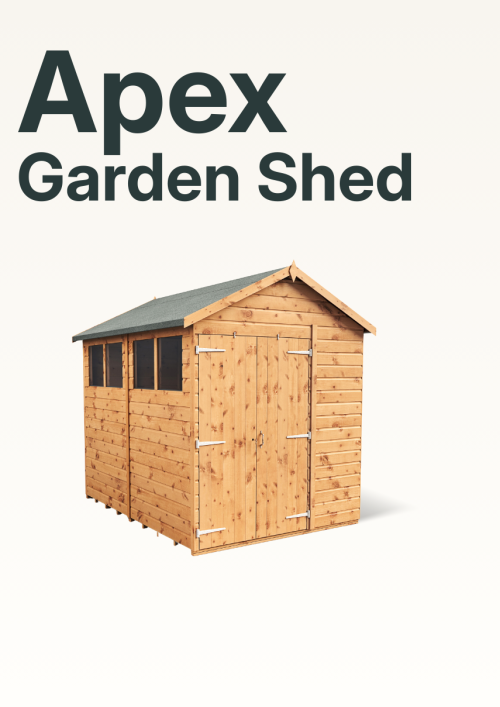
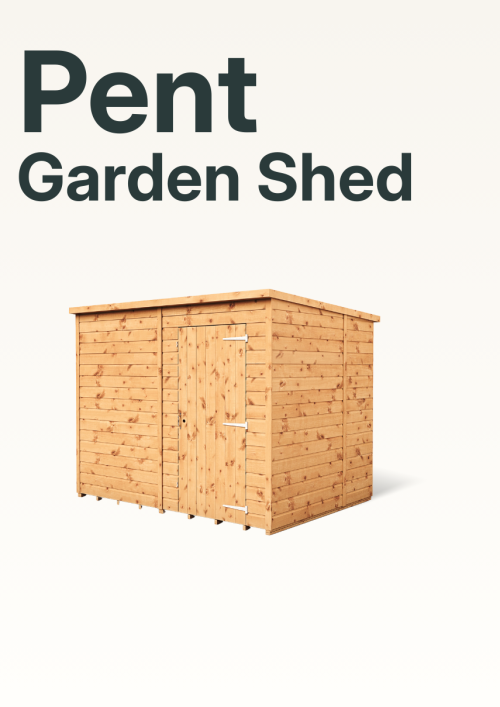
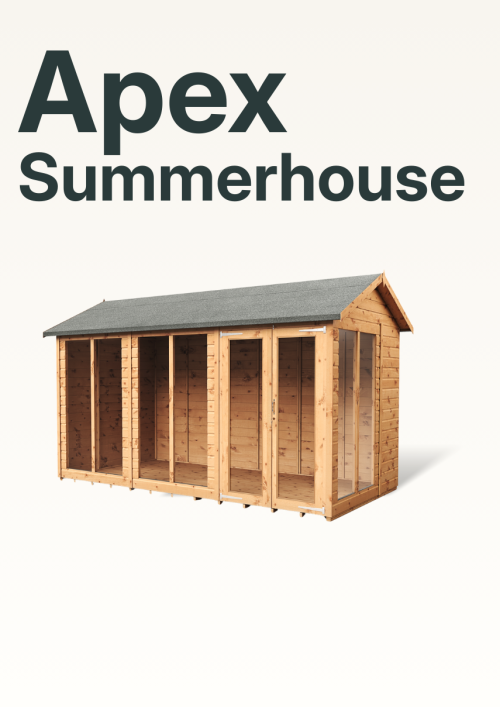
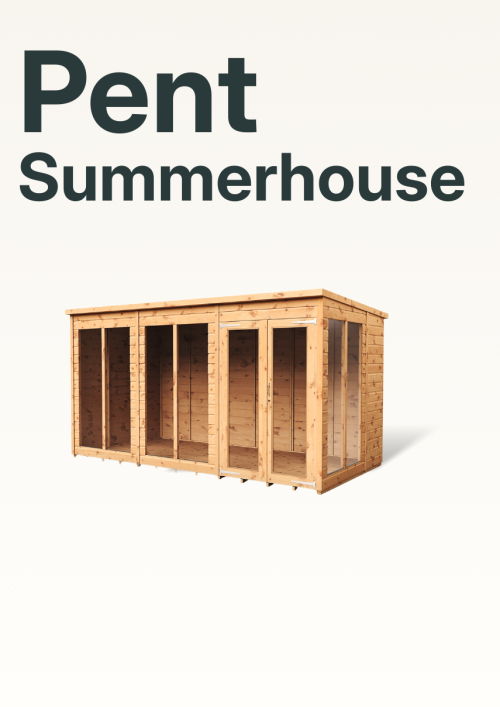


A Guide to Staining & Protecting Your Shed
How to Protect, Season, and Care for Your New Garden Shed
There is nothing quite like the feeling of looking out into the garden and seeing a brand-new shed standing proud. Whether it’s destined to be a bustling workshop, a cosy potting retreat, or simply a neat home for the lawnmower, it’s an investment you’ll want to enjoy for years to come.
But remember, timber is a beautiful, natural material. To keep the British weather at bay and ensure your garden building stays snug and dry, it needs a little bit of love and attention from day one.
Whether you’ve chosen a modular, dip-treated shed or opted for the deeply embedded, long-lasting reassurance of a pressure-treated model, here is our friendly guide to getting the absolute best out of your new timber haven.
Embracing Nature: What to Expect from Real Wood
First things first, let’s talk about timber. Because it’s a living, breathing material, it responds to the changing British seasons just like the trees in your garden do.
- The Seasonal Stretch: Wood expands and contracts. In a dry, blazing July, your shed might shrink a little; come a soggy December, it will swell. Minor gaps or slight twists are completely normal and usually sort themselves out as the seasons shift.
- Cracks and Character: You might notice tiny splits or shakes appearing along the grain as the timber seasons. Don’t panic! This happens simply because the outside of the wood dries faster than the inside. It’s pure character and won’t affect your shed’s strength at all.
- A Spot of Mould? If you notice a bit of surface mould or dark blue streaks, there’s no need to fret. These are just surface fungi that don’t cause rot. A quick wipe down or a light sanding before you apply your treatment will have it looking pristine again.
Setting Up for Success: Location and Installation
Before you even open a tin of paint, where and how you build your shed sets the stage for its lifespan.
- Find the Sweet Spot: Avoid those corners of the garden where puddles love to gather. Also, give overhanging trees and bushes a polite trim back. Foliage traps moisture against the timber walls and drops debris on your roof.
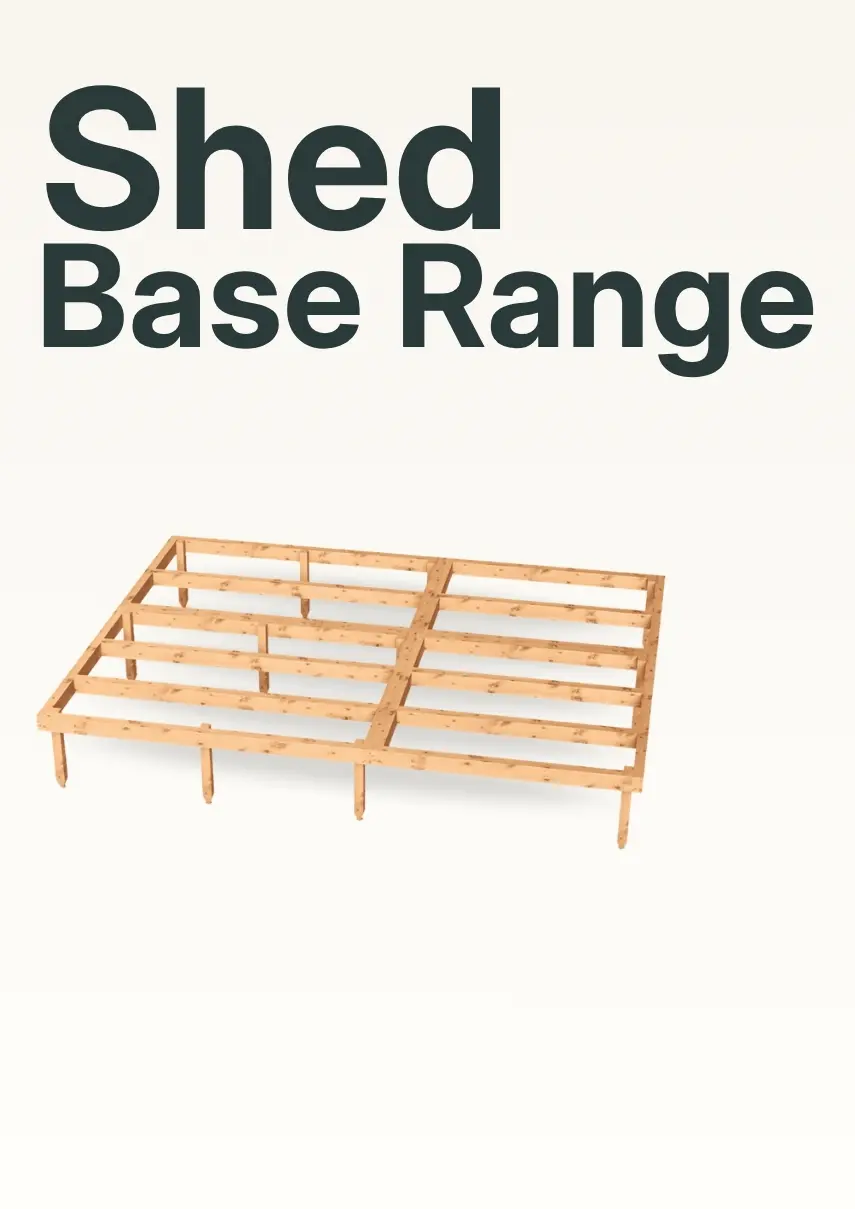
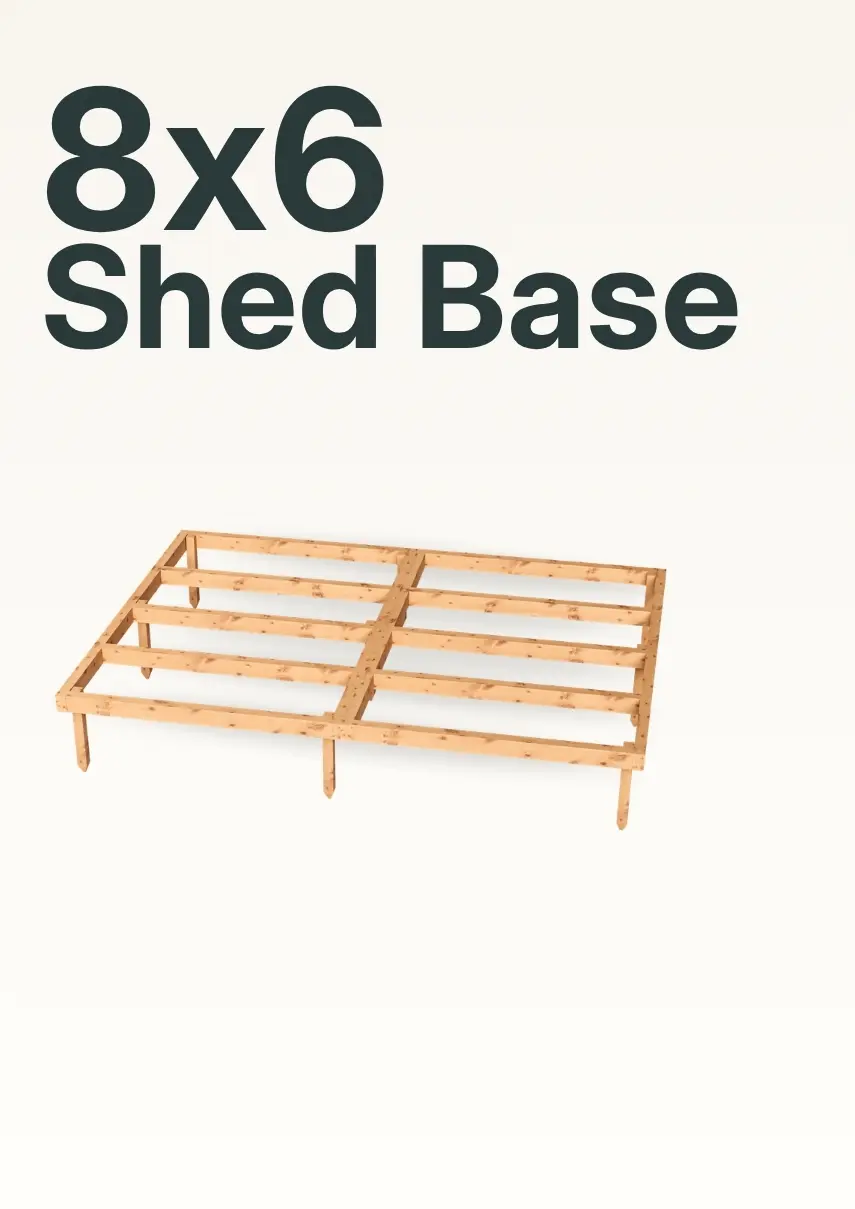
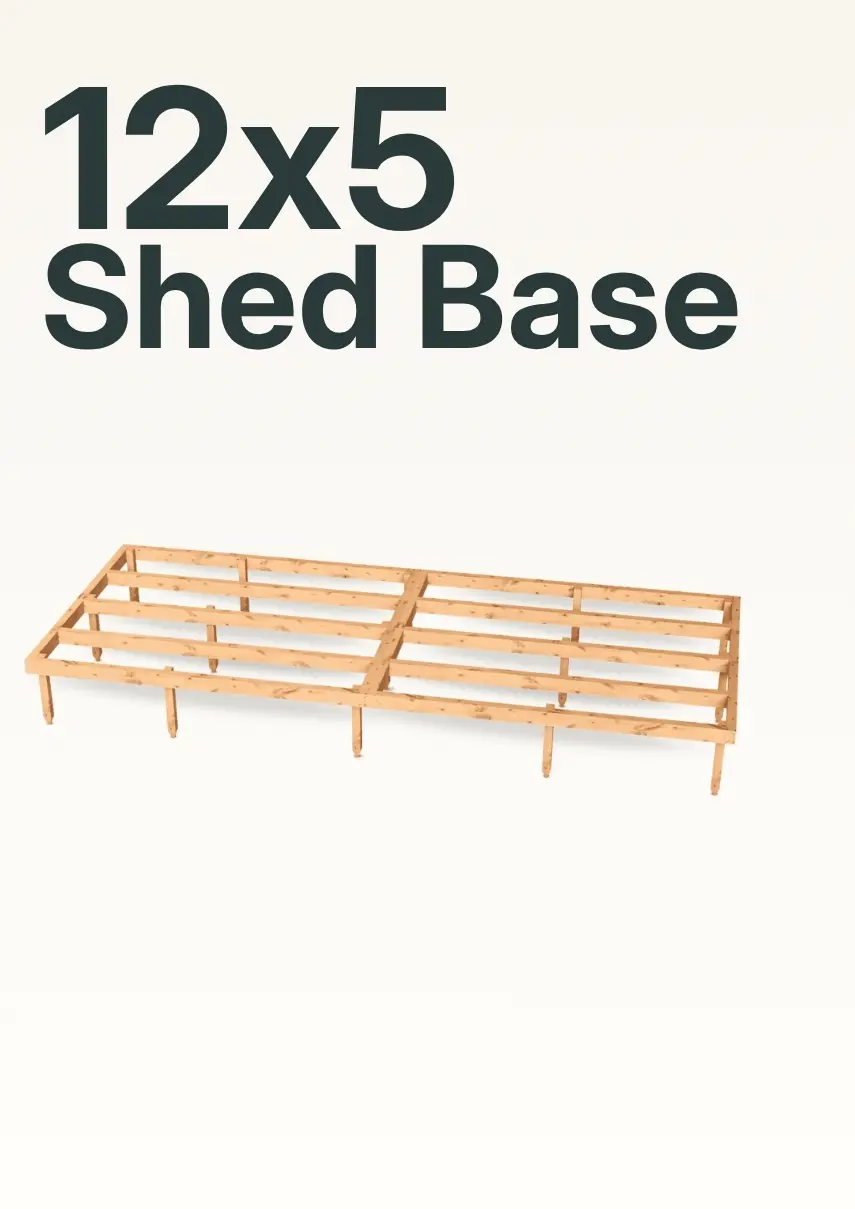
- Give it a Lift: Always raise your shed base at least 50mm off the ground. Whether you are using timber bearers or a solid concrete pad, ensure the base matches the footprint of the shed exactly so water can’t pool right under your floorboards.
- Top Tip for the Underside: Before you assemble everything, give those bottom floor bearers a thorough coating with a wax- or oil-based product. This stops damp from rising up into your floor.
Caring for Your Dipped-Treated Sheds
A modular, dipped-treated shed arrives with a fantastic, reliable base layer of factory protection. To keep it fully waterproof and robust against the elements, you just need to add a quality topcoat.
When to treat: Make sure the wood is bone-dry. If the timber still feels a little oily or damp from the factory dipping process, give it a few weeks to weather in the garden before painting.
Choosing your armour:
- Water-based stains are brilliant if you love ease of use, low odour, and want to add a vibrant splash of colour to your garden.
- Solvent- or spirit-based preservers offer much deeper penetration and are widely considered the gold standard for long-term protection on dip-treated timber.
The finishing touches: Apply a flexible silicone sealant around the window frames and on the inside joints where the modular panels meet. When treating, pay extra-special attention to the corners and panel joins. These end grains act like straws and absorb water fastest! To keep your warranty happy and your timber healthy, simply reapply your chosen topcoat every 12 months, and remember to treat any raw edges immediately if you cut or drill the wood during assembly.
Caring for Your Pressure-Treated Shed
If you decided to go for a pressure-treated shed, you’ve chosen a premium option. Because the preservative is forced deep into the very heart of the wood grain, it offers an incredible, inherent resistance to rot that lasts for years. However, because the wood is practically saturated during this intensive manufacturing process, it requires a little patience before it’s ready to be fully waterproofed.
The Golden Rule: Let it Season: Unlike dip-treated timber, you must let a pressure-treated shed fully cure and dry out before applying any paint, stain, or sealer. This typically takes 3 to 4 months during a dry summer, but can take up to 6 months over winter.
Why wait? If you paint it too soon, you’ll trap that factory moisture inside. As it tries to escape, it will cause your lovely paint to bubble, peel, and flake, and can even cause internal mould. Wait until the wood no longer feels oily or damp to the touch.
Waterproofing your seasoned shed: While the pressure treatment stops rot, it doesn’t stop rainwater from soaking into the surface, so a yearly water-repellent topcoat is essential.
- Once seasoned, you can use water-based stains for beautiful colour, or solvent-based preservers for excellent deep-tissue timber health.
- For ultimate waterproofing peace of mind, we highly recommend a dedicated product like Bostik Cementone Water Seal at least once a year. Use a brush to work it into the grain, treating both the inside and outside of the panels for maximum stability, and use a specialist End Grain Protector on the vulnerable corners.
Universal Wisdom: Roofing Felt & Maintenance
No matter which shed you choose, these two final steps will guarantee a dry interior:
1. Mind the Weather with Roofing Felt: If you’re installing your roofing felt, wait for a day when the temperature is above 5°C. In the freezing cold, felt becomes brittle and snaps easily. If you absolutely have to install it during winter, store the felt rolls indoors (somewhere above 10°C) for 24 hours beforehand so it stays nice and pliable. Always lift the rolls rather than dragging them, and store them upright.
2. Keep the Air Moving: Good airflow is a shed’s best friend. Leave a bit of breathing room around the outside perimeter, and open the door or windows occasionally to let the inside ventilate. This simple trick works wonders to prevent stale air and mildew from building up.
Over to You!
A little bit of effort early on rewards you with a beautiful, dry, and durable garden building for years to come. Grab your brushes, pick a dry weekend, and give your shed the protection it deserves.
Got any questions about treating your specific model? Get in touch with our team. We’re always here to help!